Signs You Have a Groundhog Living on Your Property
If you notice signs you have a groundhog living on your property, local contractors can provide effective removal services to address the problem.
If you’ve noticed unusual activity or signs of disturbance around your yard, you might be wondering if a groundhog has taken up residence on your property. Recognizing the signs that indicate a groundhog living nearby can help property owners address potential issues early on. Common indicators include fresh burrow entrances, shredded vegetation, or noticeable digging around garden beds and lawns. Understanding these signs is essential for those looking to maintain a safe and healthy outdoor space, especially in areas where groundhogs are known to cause damage or become a nuisance.
For property owners in the area, identifying these signs can be a practical step toward resolving groundhog-related concerns. Local service providers who specialize in groundhog removal can assess the situation and implement humane, effective solutions to handle the problem. Exploring this topic can help homeowners and landowners better understand when professional assistance might be needed, ensuring their property remains secure and free from unwanted groundhog activity. Keep reading to learn more about the telltale signs that a groundhog is living on your property and how local experts can help manage the situation.
- Groundhog removal services - local contractors can assess property damage and burrow activity indicating groundhog presence.
- Groundhog removal services - experts can identify signs like gnawed plants or burrow entrances that suggest a groundhog is living nearby.
- Groundhog removal services - service providers use humane trapping methods to safely remove groundhogs from residential or commercial properties.
- Groundhog removal services - professionals can help eliminate groundhog activity that threatens gardens, lawns, or building foundations.
- Groundhog removal services - experienced local providers can advise on preventing future groundhog intrusions through habitat modification.

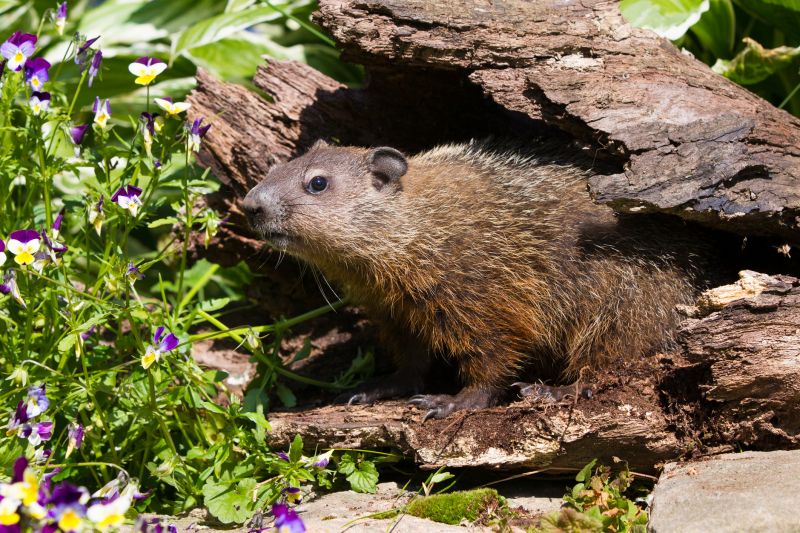

People searching for signs you have a groundhog living on your property are often concerned about the presence of these burrowing animals and the potential impact they can have on their land. Groundhogs, also known as woodchucks, are known for creating extensive underground burrows that can cause damage to lawns, gardens, and even foundations. Homeowners may notice unusual activity or damage that suggests a groundhog’s presence, prompting them to look for clear signs before considering removal options. Understanding what to look for helps property owners determine whether a groundhog is living nearby and if professional assistance is needed to handle the situation.
The signs you have a groundhog living on your property are typically related to their burrowing habits and daily activity patterns. These animals tend to create large, visible entrances to their underground homes, often near fences, gardens, or wooded areas. You might notice freshly dug soil, especially if it appears in mounds or near the base of trees and shrubs. Groundhogs are also known for gnawing on wooden structures or garden plants, which can be a clue to their presence. Additionally, if you observe frequent tracks or hear scratching sounds during the day, these are indicators that a groundhog may be residing nearby. Recognizing these signs can help determine if professional groundhog removal services are needed to address the issue.
Groundhogs are most commonly found on properties that include open grassy areas, farmland, or suburban yards with ample space for burrowing. They prefer locations that provide easy access to food sources like garden vegetables, fruits, and native plants. Properties with thick brush, woodlots, or areas with loose soil also attract groundhogs, as these environments make burrowing easier. Residential yards with well-maintained lawns, vegetable patches, or ornamental gardens are often at risk, especially if there are nearby wooded or overgrown areas. Identifying the type of property that typically hosts groundhogs helps homeowners understand their likelihood of encountering these animals and when to seek professional removal services to prevent damage.
Understanding the signs of a groundhog living on a property connects directly to the need for effective removal and management. When property owners recognize the early indicators, such as fresh burrow entrances or gnawed plants, they can decide whether to seek assistance from local service providers specializing in groundhog removal. These professionals are experienced in safely and humanely handling groundhog situations, especially when burrows threaten landscaping, gardens, or structural foundations. Proper identification of signs ensures that homeowners can take timely action to mitigate damage and prevent future issues, making professional services an important resource for managing groundhog activity on residential or commercial properties.
Wildlife trapping services - these projects involve capturing and relocating animals, similar to groundhog removal, requiring knowledge of animal behavior and trapping tools.
Garden and yard cleanup projects - clearing debris and restoring landscapes aligns with identifying and repairing damage caused by groundhogs on properties.
Pest exclusion and prevention services - sealing entry points and safeguarding properties against animals relates to preventing groundhog burrows and entryways.
Landscape repair and grading - fixing burrow holes and uneven ground mirrors the work needed after groundhog activity disrupts lawns and gardens.
Animal damage repair - restoring fences, plants, and turf damaged by burrowing animals connects to addressing signs of groundhog activity.
Property inspection services - assessing land for animal signs and vulnerabilities helps identify groundhog presence and plan removal strategies.

When comparing service providers for groundhog removal, it’s important to consider their experience with similar projects. Homeowners should look for local contractors who have a track record of successfully handling groundhog-related issues. An experienced professional will be familiar with the common signs that indicate a groundhog has taken up residence, as well as effective methods for humane removal and prevention. Asking about previous work or requesting references can help gauge a contractor’s familiarity with these specific types of wildlife concerns, ensuring that the chosen provider is well-versed in addressing the unique challenges this situation presents.
Clear written expectations are essential when selecting a groundhog removal service. Homeowners should seek providers who offer detailed explanations of the process, including what steps will be taken to identify signs of a groundhog’s presence, how the removal will be carried out, and what follow-up measures might be necessary. Having a transparent outline of the scope of work helps prevent misunderstandings and ensures that both parties are aligned on the services to be performed. Service providers who communicate openly about their approach and what homeowners can expect are more likely to deliver satisfactory results.
Reputable references and good communication are key factors to consider during the comparison process. Local contractors with positive references from previous clients often demonstrate reliability and professionalism. It’s beneficial to inquire about the experiences of others who have dealt with similar wildlife issues, as this can provide insight into the quality of service and customer satisfaction. Additionally, a service provider’s responsiveness and clarity in communication can make the entire process smoother, helping homeowners feel confident that their concerns are understood and addressed throughout the project.
Property owners often search for signs you have a groundhog living on your property when they are planning practical projects around their homes and businesses. Local pros provide Groundhog Removal services for everyday jobs and straightforward project options.


Signs you have a groundhog living on your property often become noticeable through certain behaviors and physical evidence. For example, you might observe small holes or burrows near the foundation, garden, or yard, indicating that a groundhog has been digging in the area. Additionally, if you notice chewed plants, gnawed tree bark, or flattened patches of grass, these can be signs of groundhog activity. Property owners who encounter these signs may consider reaching out to local contractors experienced in groundhog removal to handle the situation effectively and prevent further damage.
Other common indicators include the presence of groundhog droppings or tracks around burrow entrances, especially after rain or in the early morning hours. If the groundhog has established a den close to the house or in a landscaped area, it could pose challenges for garden protection or yard maintenance. When these signs are apparent, property owners often look for local service providers who specialize in groundhog removal services. These professionals can assess the situation, safely remove the animal, and help implement measures to discourage future visits.
What are common signs indicating a groundhog is living on my property? Look for fresh burrows, especially near gardens or lawns, as well as flattened vegetation and tracks. You might also notice droppings or hear scratching sounds in the early morning or evening. Local contractors can assess these signs and confirm if a groundhog has taken up residence.
How can I tell if a groundhog is causing damage to my yard or garden? Signs include chewed plants, dug-up flower beds, and holes near foundations or fences. Groundhogs often create large burrow entrances that can weaken landscaping. Service providers can help identify these issues and recommend removal solutions.
Are there specific signs that suggest a groundhog has entered my yard’s structure? Evidence includes gnawed wood, damaged fencing, or burrow entrances close to buildings. If you notice these signs, local pros can evaluate the situation and handle groundhog removal to prevent further damage.
What physical signs might indicate a groundhog is present in my yard? You may see fresh tracks, especially in soft soil, or find chewed-up vegetation and droppings. These signs can help local contractors determine if a groundhog is living nearby and plan appropriate removal methods.
When should I consider seeking groundhog removal services based on signs I observe? If you notice persistent burrows, damage to plants or structures, or animal droppings, it’s advisable to contact local service providers. They can assess the situation and safely remove the groundhog if needed.
Burrows and Tunnels - Noticing fresh digging or holes in your yard can indicate a groundhog living nearby, prompting the need for professional removal services.
Chewed Plants and Gardens - Damage to your vegetable garden or flower beds may be a sign to seek groundhog removal help from local contractors.
Noises at Night - Hearing scratching or scurrying sounds in the yard during evening hours can suggest a groundhog presence, leading to a practical project with local pros.
Droppings and Tracks - Finding small, rounded droppings or footprints around your property can help identify a groundhog’s activity, encouraging professional removal solutions.
If you are thinking about signs you have a groundhog living on your property for a property, this guide is meant to help you understand this topic, the typical project types, and how different options might fit your plans.
When you are ready, you can use the quote form on this page to share a few details about your project. From there, local pros can review the basics and follow up with options that match what you have in mind.